
Organize household documents around the next time you need them
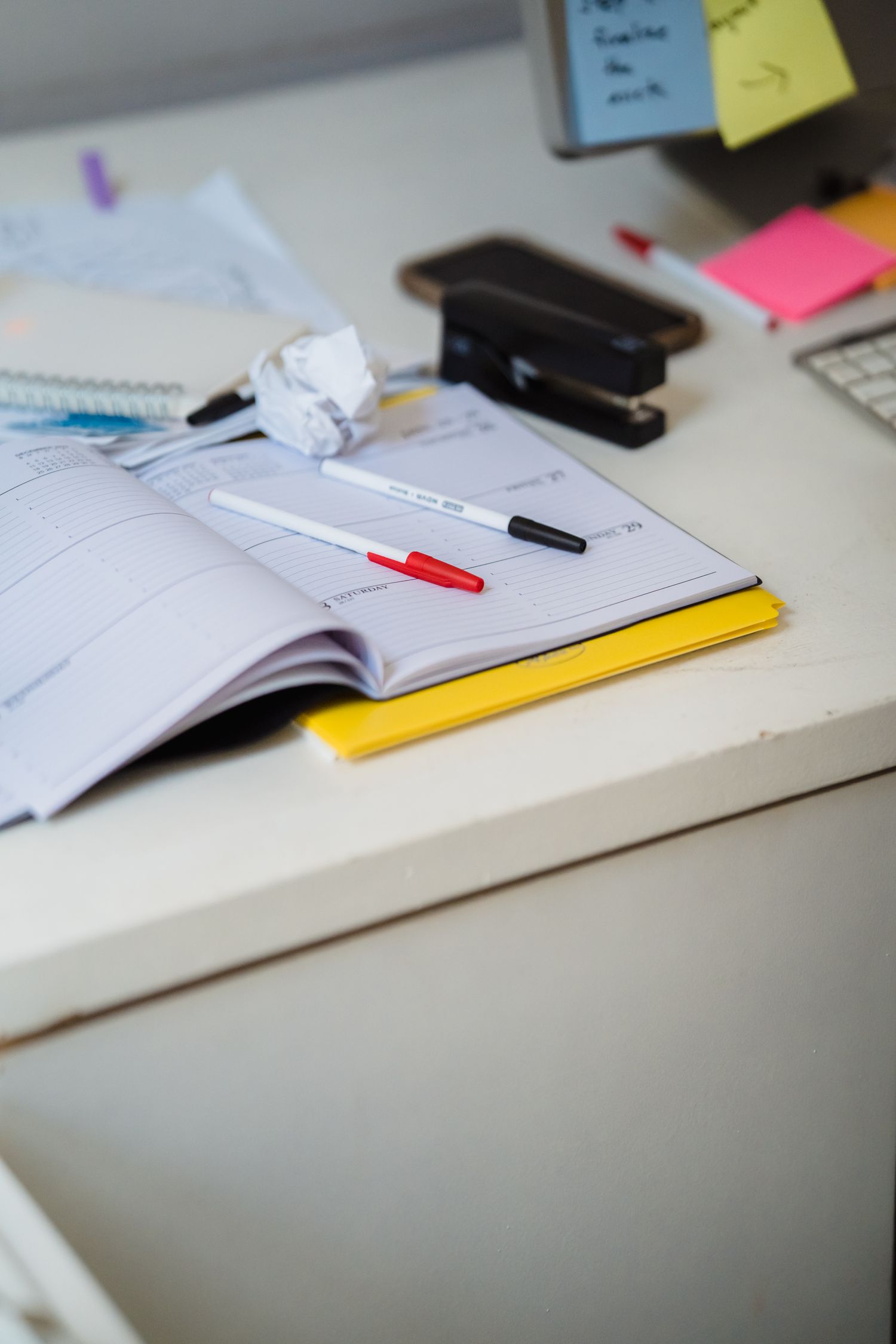
A document system is useful when it helps you find the right record at the right moment. Begin with a few practical categories rather than a complete filing project. Consider what you need for recurring appointments, household services and time-sensitive correspondence, while keeping sensitive information appropriately protected.
Separate reference material from actions
A document that needs a response should not disappear into the same folder as an old receipt. Keep a simple list of deadlines and next steps, with the original record stored securely. For digital files, use meaningful names and understand how your backup works. Do not assume that a folder shared for convenience is suitable for identity, health or financial records.
Choose retention rules from the relevant authority
Different records have different purposes and may be subject to local requirements. Check the issuing organization or qualified advice before destroying important originals. This article does not prescribe universal retention periods. Review a small category at a time and remove only what you are confident is no longer needed. A manageable system that you use is better than an elaborate structure nobody in the household understands.
Try this, one step at a time
- Keep action items separate from reference records.
- Use clear names and secure storage.
- Check applicable requirements before disposing of originals.
Original editorial ideas, published September 7, 2026. These are optional experiments to adapt to your circumstances, not promises of a particular result.