
Preparing for winter weather on your street: a checklist for neighbors
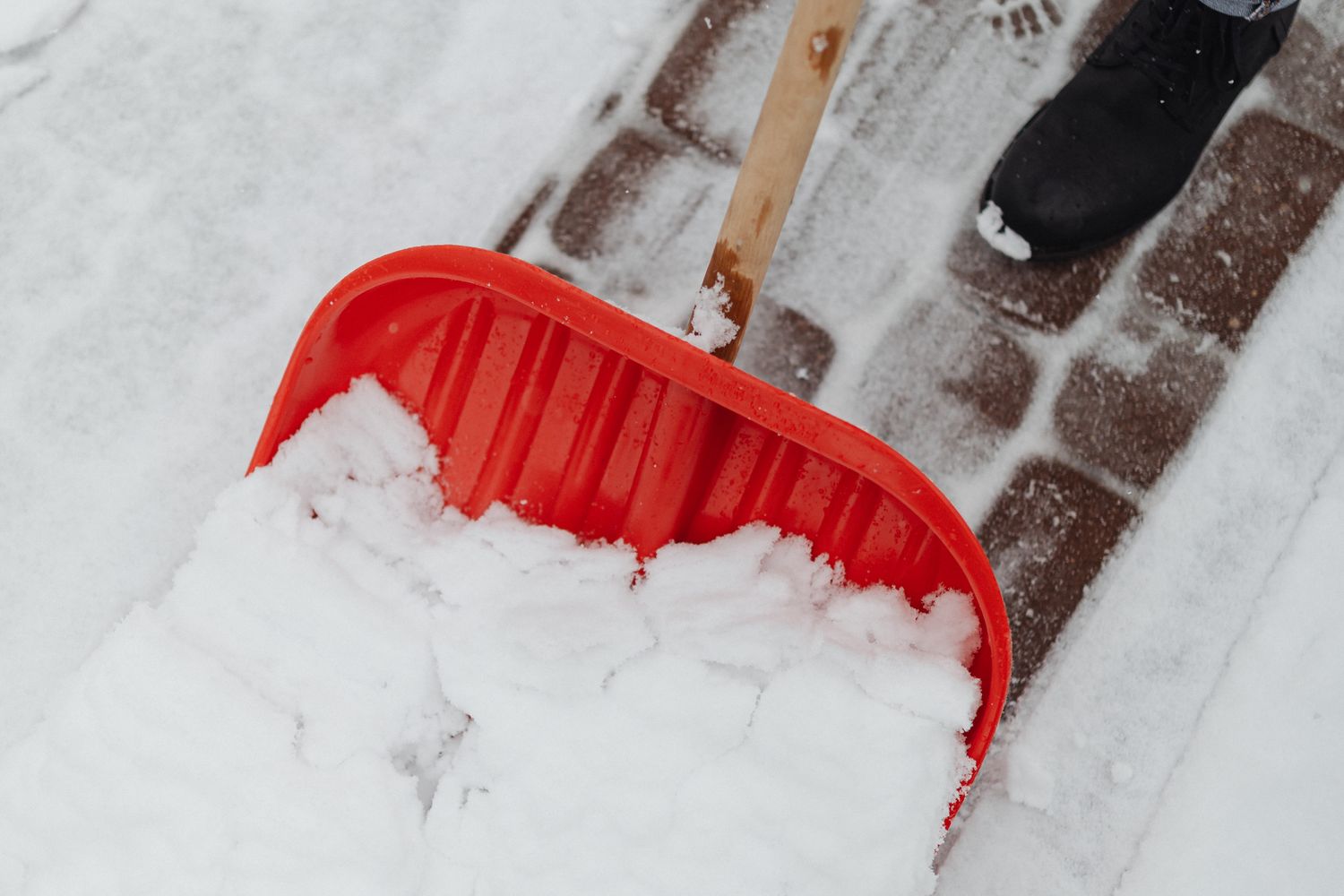
A practical checklist for getting your home, car and block ready for winter storms, based on Ready.gov guidance, plus simple ways neighbors can plan together before the weather turns.
Winter storms rarely arrive as a surprise. Forecasts usually give a street full of households a little time to get ready, and that window is when a bit of shared planning pays off. This checklist pulls together federal preparedness guidance and turns it into steps you can take at home and with the people next door.
Know what the forecast terms mean
According to Ready.gov's winter weather page, a Winter Storm Watch means a blizzard, heavy snow, heavy freezing rain or heavy sleet is possible, and it is usually issued 12 to 48 hours ahead. A Winter Storm Warning means that hazardous weather is happening or about to happen, typically with 12 to 24 hours of notice. A Winter Weather Advisory covers snow, sleet and freezing rain that can cause real trouble if people are not careful.
Ready.gov also suggests signing up for your community's warning system and paying attention to alerts. On a busy street, it helps if a few neighbors agree to pass along warnings to anyone who does not follow the news closely.
Get your home ready
Storms can last from a few hours to several days and can cut off heat, power and communication, Ready.gov notes. Its home checklist includes:
- Sealing out drafts with insulation, caulking and weather stripping.
- Learning how to keep pipes from freezing.
- Installing and testing smoke alarms and carbon monoxide detectors that have battery backups.
- Gathering enough supplies to stay home for several days without power, including medications, pet needs and extra batteries for radios and flashlights.
For the supply list itself, Ready.gov's Build a Kit page recommends water at one gallon per person per day for several days, a several-day supply of non-perishable food, a flashlight, a first aid kit, a battery-powered or hand-crank radio, and a phone charger with a backup battery. It also suggests a sleeping bag or warm blanket for each person.
If heating costs are a strain, Ready.gov points people to the Low Income Home Energy Assistance Program (LIHEAP) for help with bills and weatherization.
Heat safely when it gets cold
Ready.gov advises running generators and grills only outdoors and away from windows, and it warns against using a gas stove or oven to heat a home. The U.S. Fire Administration adds a few more habits worth sharing on your block: keep anything that can burn at least 3 feet from fireplaces, wood stoves, radiators and space heaters; turn space heaters off when leaving the room or going to bed; and have heating equipment and chimneys cleaned and inspected each year by a professional.
Prepare your car
Ready.gov recommends keeping an emergency kit in the car with jumper cables, sand, a flashlight, warm clothes, blankets, bottled water and non-perishable snacks, and keeping the gas tank full. During a storm, the guidance is to stay off the roads if you can, and to stay inside your vehicle if you become trapped.
Plan together as a street
Winter storms put older adults, children, people who are sick and pets at greater risk, according to Ready.gov. Its guidance for older adults encourages building a support network of family, friends and neighbors, and making sure at least one trusted person has a spare key and knows where emergency supplies are kept. A street can support that kind of planning with a few simple steps:
- Swap phone numbers and agree on a group text for weather updates.
- Note which neighbors live alone or may need help with shoveling or errands.
- Decide who has a snow blower, a generator or extra supplies to share.
Ready.gov also reminds people that shoveling and walking in heavy snow can bring on a heart attack, so splitting up the work among neighbors is a sensible plan, not just a kind one.
A short conversation on the sidewalk before the first big storm can make the whole block safer. Pick one item from this list to finish this week, share the group text idea with a neighbor, and check Ready.gov again when a watch or warning is posted for your area.
Sources
Written with AI assistance and edited and published by Gerry Oliver Davidson on November 27, 2026. Check the linked sources for the latest official details.